
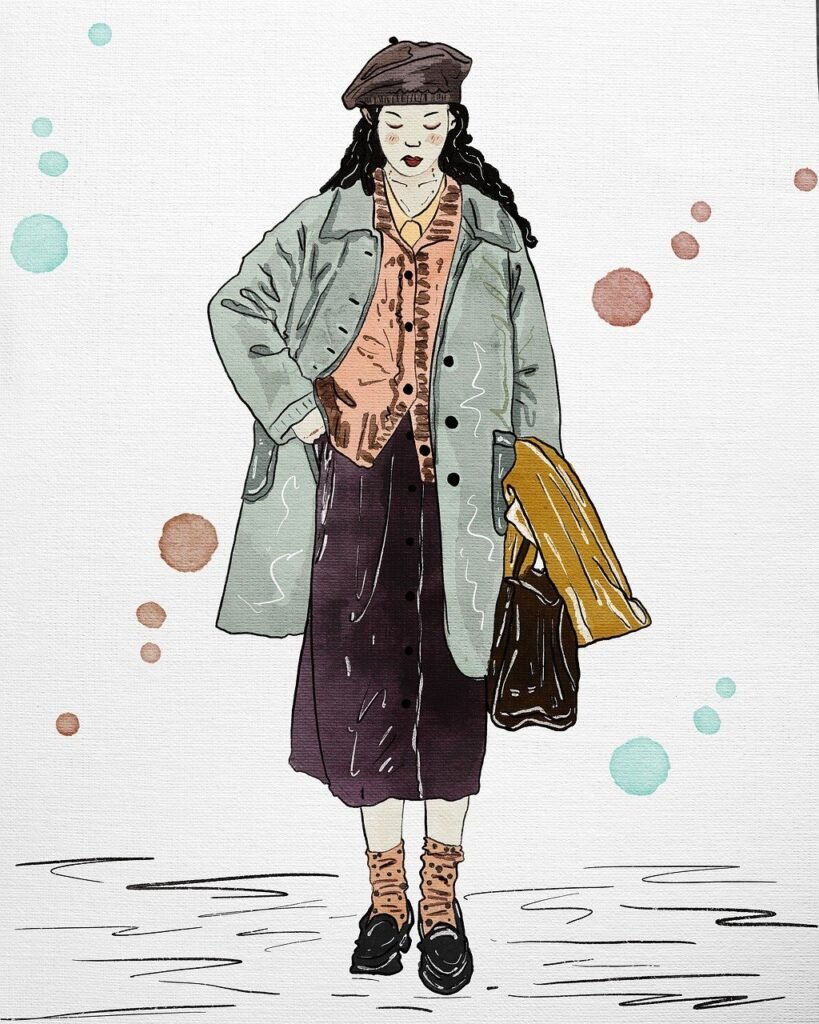
Ever bought an outfit that looked perfect in the fitting room but terrible at home? It’s not your body. It’s retail science. Here are the 4 tricks stores use to fool your eyes.
Why Clothes Look Good in Store But Not at Home (The Retail Trap)
This one stings different.
Inside the changing room, the jeans fit just right. Against your skin, the shirt seems to shine on its own. Tall. Strong. Like you belong somewhere upscale. The credit card leaves your hand before you even pause.
You arrive back at your place after being out. That familiar feeling hits when you step into your room. Same clothes go on like always. A glance at the reflection shifts everything. Waistband digs in where it never did before. Color of the shirt seems flat now. What felt right just yesterday feels off today.
You blame yourself. You think, “Did I gain weight in the car ride home?”
Stop.
That shape you see isn’t natural. It’s created by retail science.
Shops act like labs on purpose. Each light, each mirror tilt, even the air’s smell—they’re built to skip your thoughts and hit your cravings instead. This is why so many people search for why clothes look good in store but not at home after their first wear.
Why clothes look good in stores but not at home: Retailers use controlled lighting, angled mirrors, pinned garments, and psychological triggers to alter how clothes appear on your body. At home, neutral lighting and flat mirrors remove these illusions, revealing the garment’s true fit and color.
Fairness matters at Wovqo. That reflection played tricks—here’s what really happened behind the glass.
Quick Summary: The 4 Retail Tricks
Warm lighting smooths skin and creates a false glow.
Angled mirrors elongate your body to make you look leaner.
Pinned garments on mannequins fake a tailored fit.
Store atmosphere triggers a “fantasy self” that fades at home.
1. The “Golden Hour” Lighting Trick
A light hangs above, right where you brush each morning. This glow digs into hollows beneath your eyes, pulls every ridge into view. Truth spills out here, uninvited. Harsh? Maybe. But it does not lie.
In the store, it’s different. They use a changing room lighting illusion to blur reality.
-
The Soft-Box Effect: A dim glow wraps the luxury dressing area. Light filters in gently through covered fixtures. Down near the edges of mirrors—where light usually misses—vertical bars shine. Instead of glare from overhead, they pour soft brightness right into hidden corners. Shadows vanish. Skin stops looking rough. It simply sits there, even, calm, unaware it’s being seen so clearly.
-
The Sunset Glow: A cozy light fills stores—bulbs set around 2700K to 3000K. Not bright daylight, but something softer, like late afternoon fading into dusk. Your skin looks more alive under these tones, somehow warmed without effort.
The Reality Check: Flickering overhead at home, those sharp white bulbs reveal what was hidden outside. The material looks flat now, lifeless under their gaze. This is the main reason why clothes look better in store—the light lied to you.
2. The “Lean Mirror” Illusion
That sudden boost in height—did it hit you inside a store?
A slant at the edge of some store mirrors changes how you see yourself. Just a tiny shift—two degrees—is enough to bend perception. The glass stretches your shape without warning. Height appears where there was none. Thinness shows up in the corners of sight. Grace follows. Not magic, just a store mirror trick.
The Reality Check: Your reflection tells a different story. That mirror mounted on the bedroom wall sits flush, unmoving. No stretch effect here. Suddenly those trousers, once appearing long and streamlined, gather fabric just above your shoes.
[Insert Image Here] (Upload an image showing a side-by-side of dressing room lighting vs home lighting)
-
File Name:
store-lighting-vs-home-lighting-clothes.png -
Alt Text: why clothes look good in store but not at home lighting comparison
3. The “Pinning” Deception
This works mainly for mannequins, though every now and then it shows up in the garments too.
A shape catches your eye—tailored seams, sharp lines. That jacket fits just right on the stand. Money changes hands before questions come. Hidden behind lies a small metal clip, pinching cloth into place.
Most clothing made today follows one shape only. Built wide on purpose, so it hangs okay on many frames. What you see in the mirror at the shop? A trick of the lighting, the hanger, the model. That sharp look vanishes once home. Fit fades fast when reality steps in.
4. The Dopamine Gap (The “Fantasy Self”)
This moment plays on your mind. Inside a shop, it is not only fabric you take home. Bright tunes fill the air, costly fragrances linger, everything around looks carefully made to catch your eye.
It begins with a daydream. Picture yourself wearing that outfit—maybe stepping into a grand hall, or speaking at a meeting. A rush follows, quiet but sharp, as your mind floods with possibility. This feeling? It’s fueled by what could happen. The vision lifts you, not the fabric.
The Reality Check: Home changes everything. Music fades fast. That smell? Vanishes. Now it’s just you, the cluttered room, that heap of unwashed clothes nearby. This is precisely why clothes look different at home—the fantasy breaks, and only the fabric remains.

Beating the System: The Wovqo Protocol
It’s not about the shops. It’s what happens when you walk inside. Try this instead: ask yourself three questions every time. Before handing over money, pause.
1. The Sit Down Test
You rise onto your toes inside the changing stall. Posing begins. Breath held tight. Stop right there. Find a seat instead. Lower yourself slowly. Let your back curve forward loosely. Most days unfold like this—seated. Should the denim pinch too hard or seams split apart while sitting, walk away. It does not matter what they show when upright.
2. The Phone Flash Test
Start by ditching the cozy lighting. Grab your phone next. Switch on the flashlight feature now. Capture an image of the material under that glare. Bright light acts like midday sun. You’ll see right through thin fabrics, spot odd shine, notice flaws. A poor picture means trouble outdoors.
3. Feel Instead of Look
Light might trick what you see. Yet touch won’t lie about how something feels. Shut your eyes now. Move the cloth slowly with your fingertips.
-
The Real: Is there a crisp, solid sensation? Think materials such as linen or cotton—grounded, real texture.
-
The Fake: Is there a strange tightness, like artificial layers rubbing? Think fake materials. Slippery, maybe too smooth, almost sticky in spots.
Fingers notice right away if something lacks weight—that same lightness turns into awkward pressure later. How an object sits in the palm shapes how it rests against skin much down the line.
Final Thoughts: Trust Your Gut, Not the Mirror
Breathe, when you’re inside that bright little room where everything seems just right. Leave the cubicle behind. Head down the hall to another mirror—this one less forgiving.
Stay only if your heart stays full. Walk away once the spark slips quiet.
Truth shapes what we make at Wovqo. Not shortcuts, but sharp tailoring stands behind each piece. Real materials matter here—nothing fake, nothing thin. Looking good should happen where life happens, like on your couch, not under showroom lights.
Related Reads
Frequently Asked Questions
Do stores use skinny mirrors?
Some shops might line up mirrors at a slope. This stretchy look happens when glass leans back at the top. A few dishonest sellers go further, shaping mirrors to curve gently inward. These bent surfaces pull sides tighter in your reflection. Not many places do it that way though. Most just angle the mirror to make you seem taller.
Why does the color look different at home?
Light changes how shades appear. That shift you notice has a name—metamerism. Under indoor store lighting, something may seem deep blue. Outside, the very same fabric could pass for black or purple. Sunlight reveals truer tones. For accuracy, view it beside a window when able.
Should I buy clothes a size smaller?
Here is the truth about sizing down: Pick garments matching your current shape, not some future version of yourself. Items tailored to how you are right now give a cleaner outline. Tight fabric pulling across hips draws more attention than needed. Well-fitted pieces smooth instead of clinging.
Have Any Question? Feel Free to Ask:
