
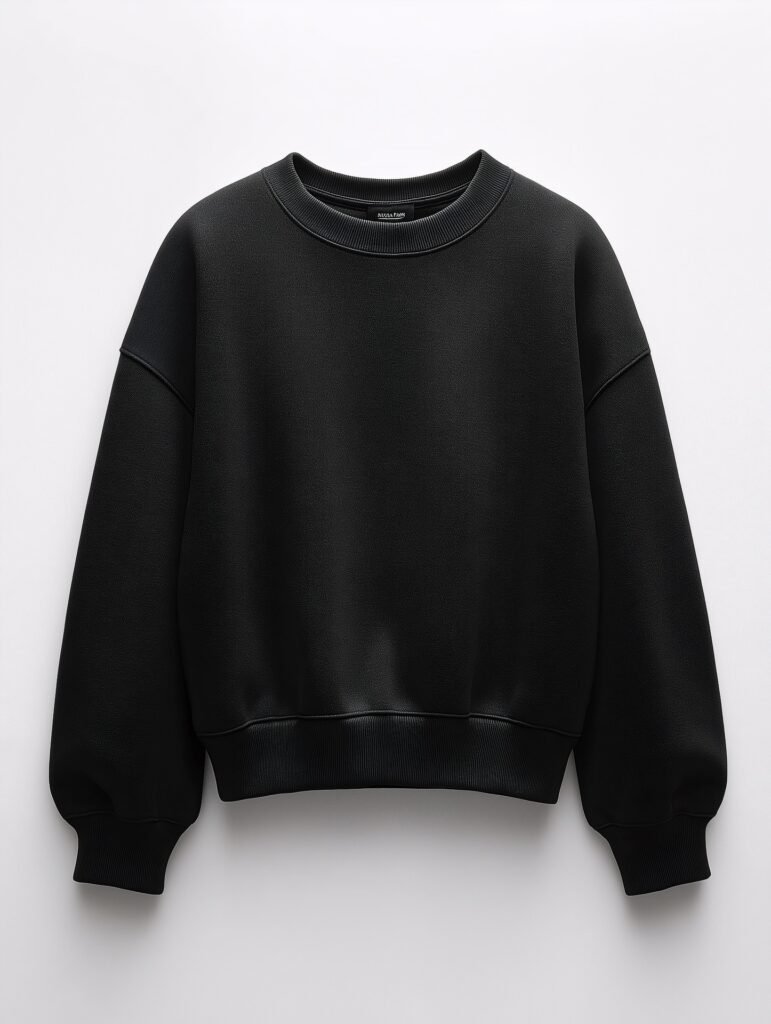
Looks good, but feels like a plastic bag? Don’t waste money on itchy clothes. Here is the Wovqo guide to identifying breathable, comfortable fabrics for daily wear.
Is This Fabric Comfortable? (The 3-Second Touch Test)
That moment arrives when the clock hits three in the afternoon.
This morning, a crisp shirt went on smooth. Mirrored reflection showed something clean, tidy even. Yet here at the workspace, sensation shifts—sleeves pull tight under arms. A sticky warmth spreads across your shoulders, despite the cold hum of the air conditioner. Tugging at your shirt’s edge becomes a quiet habit, chasing even a hint of breeze.
Your mind feels heavy? That weight comes from the clothes on your skin. Not pressure from life. Just synthetic fibers stuck against you.
Picture this: fingers never touch the tag, just a quick glance at the rack. That bright shade grabs attention, so the decision happens fast—no questions asked. A few hours later, stuck in stiff fabric, breathing feels harder than it should. Turns out, synthetic fibers don’t breathe like promised. Lunchtime rolls around, and discomfort sets in deep.
Fashion means nothing when your clothes make you uncomfortable. What really matters in fabric comes down to feel, movement, freedom—things most brands ignore. Real comfort isn’t advertised. It shows up in how a shirt drapes after eight hours. Most materials pretend. A few deliver. Knowing the difference changes everything.
What makes fabric comfortable for daily wear? True comfort comes from breathability (allowing heat to escape) and moisture absorption (wicking sweat away). Natural fibers like cotton and linen allow air to flow, while cheap synthetics trap heat against the skin, creating a “greenhouse effect” that causes sweating and discomfort.
Quick Summary: The Comfort Checklist
The “Cool” Touch: Natural fibers feel cool against the cheek.
The 2% Stretch: A tiny bit of elastane adds movement without sagging.
The Burn Test: Synthetics trap heat; naturals release it.
Weave Density: Tighter weaves look sharper but breathe less.
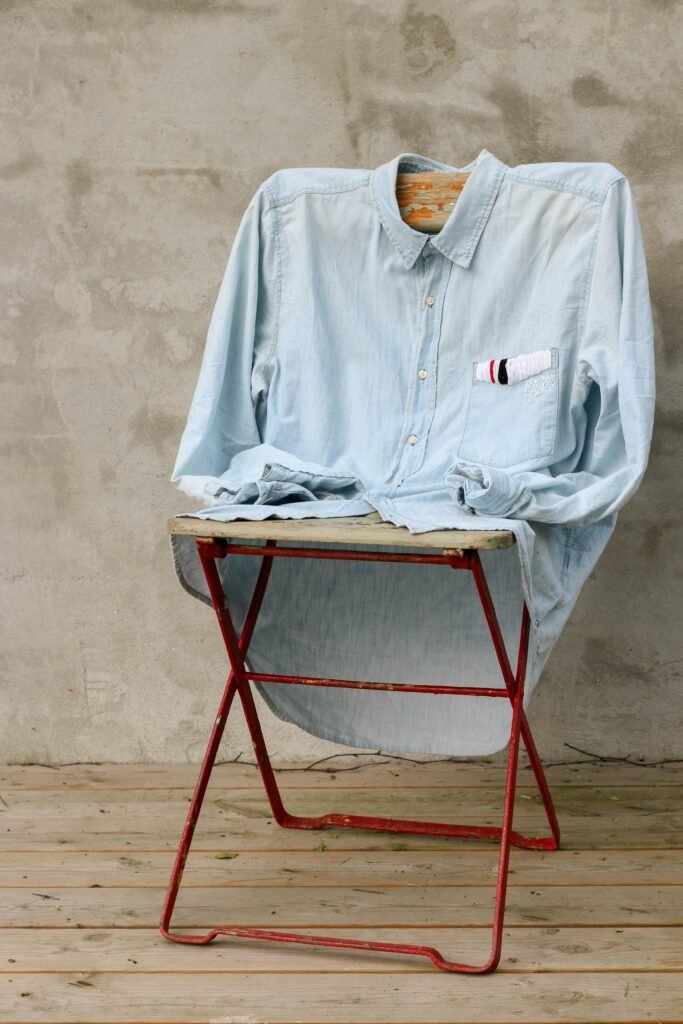
1. The “Sweat Trap” (Why You Hate Polyester)
That shirt sticking to your back? Check the label. Chances are, it reads 100% Polyester.
Polyester comes from plastic fibers twisted into thread. Fast fashion uses it a lot because it lasts long and costs little. Water does not mix well with this material—moisture just rolls off.
The Problem: Much of the time, sweat just sits there. Polyester does not soak it up. That wetness gets stuck against your body. The material holds it close, never pulling it away. Mist rises where sweat lingers beneath fabric. Heat builds, moisture clings, then odor follows—bacteria thrive in wet warmth.
The Fix: Here’s what works best. On regular days—going to work or running tasks—skip shirts made entirely of polyester. Those materials? They belong at the fitness center. That’s where their moisture-handling design has a real purpose.
2. The “Second Skin” (Why Naturals Win)
Water finds a friend in cotton, linen, also wool—believe it or not. These fabrics soak it up without hesitation.
-
Cotton: A single thread in your Wovqo cotton top works like a mini channel. Moving warmth along, carrying sweat outward, letting it fade into the room. From skin to sky—each strand helps shift what builds up.
-
Linen: Breeze finds its way through linen, thanks to a relaxed weave. Skin feels air move when wearing it.
-
Merino Wool: When it’s hot, merino wool helps you stay comfortable. In colder weather, it holds warmth close. This natural fiber adjusts without effort.
The Fix: Avoiding discomfort during long hours means checking tags carefully. Choose items marked with 90% natural material or higher. Labels matter most when sitting all day.
3. The “2% Rule” (The Secret to Jeans)
Fabric that holds its form might seem sharp, yet staying seated all day in it feels like punishment. Meanwhile, those elastic leggings styled like jeans often appear low quality, sagging before lunchtime rolls around.
Start somewhere just right—the sweet spot matters. Try pants made of 98% Cotton blended with 2% Elastane (sometimes called Spandex).
-
The Structure (98%): A sturdy base comes from cotton making up most of the blend. This keeps the material holding its shape well. Appearance stays close to classic denim thanks to that high cotton level.
-
The Comfort (2%): A little stretch comes from 2% elastane. This helps when sitting, eating, or driving. The waist won’t dig into your skin. Movement stays comfortable. Fabric bends with you.
4. How to Test Fabric (Without Trying It On)
Fingers can tell before fabric touches skin. A quick touch reveals what a fitting room never could.
The Cheek Test: Fabric feels different on skin than fingers guess. Face notices what hands miss. Try it near your jawline or just under the pulse point where the arm bends.
-
Good: Smooth touch meets a dry, cooling sensation. What stands out is how fresh it seems. Coolness runs through it, paired with silkiness.
-
Bad: Warmth shows up when it should not. A fuzzy texture might irritate skin. Slippery surfaces often mimic cheap materials.
The Light Test: Try this. Lift the material near a glowing lamp. See how it looks when backlit by brightness. Watch what happens under that glow.
-
Breathable: A few specks of light show where the fabric lets air pass. That’s how you know it breathes well.
-
Suffocating: Filled tight, no light means no breath either. Shut out every ray, you stop every breeze too.
Final Thoughts: Comfort Is Quiet Confidence
Slouching gives it away when your body feels off. Your stance tells the story. So does your expression.
Fabric should work with you, never against. Check what it is made of before deciding. Run your fingers across it—does it remind you of shopping bags? Then expect sticky heat later. Materials that allow air flow make days easier. Let them bend when you do, not hold you back.
Frequently Asked Questions
Is 100% cotton always comfortable?
Softness depends on more than price. Rough, budget cotton might remind you of paper. Better kinds—Pima or combed—use long strands that bring smoothness. The way threads are woven matters just as much.
Why do my clothes itch?
That tingling feeling? Often it’s sharp little fibers jabbing at you—like those rough strands in low-cost wool. Sometimes, though, it’s not the fabric itself but the stitching. Synthetic threads along edges tend to rub hard against sensitive spots. A basic cotton top might still irritate when stitched with stiff polyester yarn near your collarbone.
Does linen always wrinkle?
Yes, and that is okay. Bending changes linen forever—elasticity? Not here. That stiff fold lingers, embraced by design, not flaw. Cool comfort matters most to many. A mix with cotton tames the creases without losing breathability.
Have Any Question? Feel Free To Ask:
