
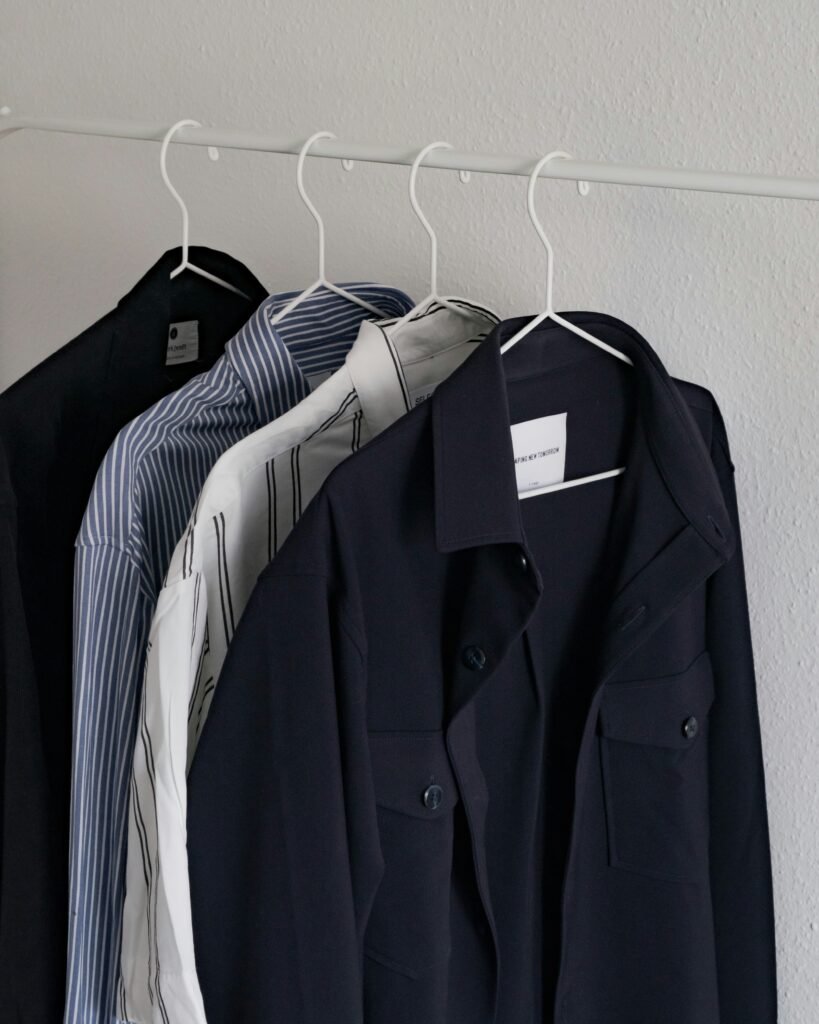
Does that expensive shirt feel cheap? Don’t get fooled by the price tag. Here is the Wovqo guide to spotting high-quality fabric using just your hands and light.
How to Identify Good Fabric Quality (The 5-Second Test)
A number on a product does not reveal its true value.
Stepping inside a fancy shop changes nothing. A sweater hangs there, price tag screaming two hundred dollars. That number makes you think quality hides in the fabric. So you hand over the cash without asking why. After just two times through the washer, threads start splitting where stitches meet. Little fuzzy balls gather beneath your arms. The material scrapes against skin like rough stone.
Five years back, that old shirt picked up for just five dollars? It’s somehow still smooth like cream.
Start here: fabric behaves a certain way. A label sewn into a shirt doesn’t decide how it feels. What matters are long fibers, tight weaving, heavy cloth. Many companies want you to look first. We at Wovqo say touch before choosing.
Fingers feel it first, well ahead of what you see.
What makes fabric high quality? High-quality fabric is defined by fiber length (longer fibers mean less pilling), weave density (tightness prevents holes), and recovery (the ability to snap back to shape). It feels substantial, holds its structure against gravity, and recovers instantly when stretched.
Quick Summary: The Quality Checklist
The Crush Test: Does it bounce back or stay wrinkled?
The Light Test: Can you see through the weave? (Bad sign).
The Stretch Test: Does it snap back or get saggy?
The Pattern Check: Do the stripes match at the seams?

1. The “Crush Test” (Recovery)
Right off the shelf, try this quick check. If it passes, your clothes stay tidy past noon.
The Test: Fabric in hand, close your fingers firmly. Hold that pressure one full count. Release slowly.
-
Good: Fresh bounce lives in the material. Wrinkles fade fast, then vanish right before your eyes. A touch reveals something alert, almost breathing.
-
Bad: A crumpled feel lingers long after handling. Looks flat, almost lifeless—like something folded too many times. That stiffness hints at weak fibers, ones that can’t bounce back on their own.
2. The “Light Test” (Density)
Fabric feels lighter when threads are spaced out. A looser weave goes farther, cutting costs quietly behind the scenes. The difference hides in plain sight—look closely at the surface.
The Test: Facing sunlight might reveal what fabric hides. A window’s glow shows fibers plainly.
-
Good: Fine work shows when threads sit close, uniform. Where light struggles to pass through, that’s where quality hides.
-
Bad: Light sneaks through tiny holes across the material. Looks just like mesh on a door. When it lets brightness pass so fast, washing won’t take long to stretch and rip it apart.
3. The “Stretch and Snap” (Elastane Check)
Fabric blends in everyday jeans and tees usually include a stretchy fiber known as spandex (elastane). Yet low-cost versions of this material break down fast under regular wear. That sudden droop at the knees around mid-afternoon? Blame weak elastic threads giving out too soon.
The Test: Stretch it out until it spans two inches. Grab hold, then release without warning. Watch how it reacts when freed.
-
Good: Bounce comes back fast—holds its form like nothing happened. Energy stays locked in, snapping into place every time.
-
Bad: Dragging along, that band just creeps forward. A tiny ripple shows right behind where it moved. Weakness lives there—soon it’ll droop against skin.
4. The “Pattern Match” (Attention to Detail)
Faulty labels don’t lie about stitching quality—they whisper how much a company values its name. Skimping on detail up front? That same shortcut shows up in the weave later.
The Test: Check the side seams—this is where front joins back. When stripes or plaids are on the shirt, pay close attention here.
-
High Quality: Seam meets seam without a gap. Straight across, the pattern marches on.
-
Low Quality: A crooked pattern runs down the front. That messiness? Factory choice, really—less scrap means lower costs. Still, the whole thing feels off, like a rushed job.
Final Thoughts: Weight Does Not Mean Quality
Here’s something to think about: weight isn’t proof of quality. Just because it feels solid doesn’t make it right—polyester that weighs a lot is just thick plastic. On the flip side, Merino wool can feel almost nothing on your skin yet hold up better than regular cotton.
Start with your hands. Weight won’t tell you much. What matters is how it reacts when touched. Coolness on contact—notice that? A slick surface might speak louder than numbers. Bounce shows life, if present. Your fingers know more than you think.
Frequently Asked Questions
Is 100% cotton always better?
Fiber length changes everything when it comes to cotton. Long strands, like those in Pima or Egyptian types, bring softness and strength. Short ones, found in “carded” versions, rise up from the surface. That rougher texture tends to form little balls quickly, sometimes even after just a single laundering.
How do I stop my clothes from pilling?
Fibers that are too short often come free during wear. Look for long-staple thread types when picking clothes—labels will tell you. Also, soft shirts should never ride along with stiff denim at wash time. That mix grinds them down just like rough paper does.
Why do my shirts twist after washing?
Twisting (torquing) shows up after washing because factories pull the cloth tight during assembly to cut costs. Once water hits it, the material lets go, returning to how it was meant to sit. That shift drags seams across your torso. Nothing brings it back. Poor build quality causes this every time.
Have Any Question? Feel Free To Ask:
