
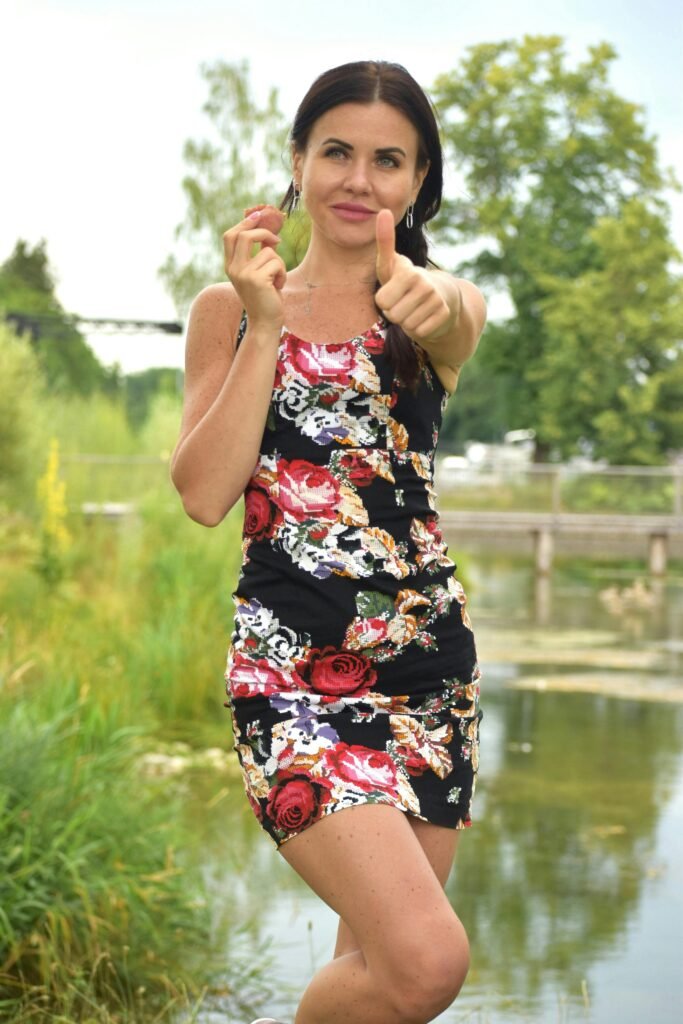
Tired of chasing “micro-trends” that expire in a month? Stop buying disposable fashion. Here is the Wovqo guide to building a timeless personal style that never looks outdated.
How to Dress Well Without Following Trends (The Timeless Method)
Running in circles never ends. It wears you down without warning.
A single month passes, suddenly skinny jeans aren’t a thing anymore. Off you go, picking up loose cargo pants instead. Before long, everyone’s talking about “Quiet Luxury”—now those cargos seem out of place. Next, “Mob Wife” energy takes over. After that? “Brat Summer” shows up.
Every day begins the same way. Money leaves your wallet. Clothes stack up inside the wardrobe. Still, you stare at them all. A quiet voice says: “I’ve got no outfit again.”
Here’s why: your focus leans on trends, not personal flair.
Fashion runs on cycles meant to replace what you own each season. Yet Style speaks without words, clear and steady. The ones who stand out at any gathering do not follow trends blindly. What fits them matters more than what just arrived. Wovqo stands by that truth.
What is the difference between Style and Fashion? Fashion is external; it is what the industry sells you this season (e.g., neon green bags). Style is internal; it is a consistent way of dressing that suits your body, lifestyle, and personality (e.g., a perfect white shirt). Fashion expires; Style evolves.
Quick Summary: The 4 Pillars of Timeless Style
Fit is King: A cheap shirt that fits looks better than an expensive one that doesn’t.
The 3-Color Rule: Stick to a neutral palette to ensure everything matches.
The Uniform: Find your silhouette and repeat it without shame.
Fabric Over Logos: Invest in materials that age well, not brand names.

1. The Silhouette (Fit Over Everything)
A kid pretending to be grown up—that is what happens when a five-thousand-dollar suit hangs off broad shoulders. A twenty-dollar shirt, though, fits just so, hits the mark on the arms, suddenly there is a glow of cinema about you.
The Fix: Forget the number on the label. Pay attention to how the fabric falls across your body.
-
Where does the shoulder seam fall in relation to your shoulder bone?
-
Where does the skirt edge land on your legs? Is it a spot that works well?
That quiet guy at the coffee shop? He gets his jeans fixed for fifteen bucks. A small cost, yet it changes everything about how clothes sit on him. Money spent quietly often shows up loudest. The best dressed aren’t buying more. They’re adjusting what they already own.
2. The “Uniform” Concept
A black turtleneck was Steve Jobs’ go-to. Anna Wintour? The sharp bob, always paired with dark shades. Getting dressed wasn’t a daily puzzle for them. One outfit, repeated—no choices needed.
Their look became their signature. Decisions faded into background noise. Simplicity took center stage. What they wore stayed fixed, on purpose.
The Fix: This isn’t about putting on the identical shirt each morning. Think of it more like discovering a pattern that fits your rhythm.
-
Maybe it’s loafers + knit sweater + high-waisted trousers.
-
Maybe it’s dark jeans + boots + button-down shirt.
Find clothes that make you stand tall, then get them again and again. Pick those trousers in dark shades—black, deep blue, grey. Not dull. Steady. That repetition? It becomes your mark.
3. The Neutral Palette (The 3-Color Rule)
A splash of slime green might catch your eye today—tomorrow it feels outdated. Bright Barbie pink stands out now; later, it clashes without warning. Photos shift from fresh to stuck in time, fast.
Timeless style relies on Neutrals.
-
Base Colors: Navy, Black, White, Charcoal, Camel, Olive.
The Fix: Most of your clothes (80%) should stick to this color group. That way, each item works with the others without effort. Even on sleepy mornings, you appear sorted. Save fresh styles for just one in five pieces—think bags, hats, or one bold jacket. Matching becomes nearly automatic.
4. Fabric Over Logos
A loud emblem stitched right over your heart does not whisper elegance. That patch screams advertisement space. Real fashion speaks in hushed tones. You notice it through how the fabric feels against skin.
The Fix: Pick a plain Merino Wool sweater over a branded polyester sweatshirt. The price stays the same—still one hundred dollars. What changes is what you get for it.
-
Quality shifts when labels disappear. A natural fabric takes the place of synthetic material. Value hides in fibers, not logos.
-
Soft fibers fall more smoothly when worn. It won’t pill. (Check our guide on identifying good fabric to learn the feel that matters.)
Final Thoughts: Confidence Is The Accessory
What hides beneath trends is a borrowed shape. Pretending fits poorly. The moment you step off that path, ease finds you. Comfort shows on your face. Identity sits quietly in how you carry yourself.
It’s the individual others see first. Shoes come later, if at all.
Frequently Asked Questions
Is a capsule wardrobe boring?
No. Getting dressed becomes easier when your closet holds just what you love. Style shows up in how you add accessories, mix layers, maybe even stand a little taller. Not by owning dozens of low-quality tops. Fewer pieces can mean more expression. Choices shape confidence. That kind of freedom does not come from clutter.
Can I still buy trendy items?
Yes, but use the 80/20 Rule. Keep 80% of your closet classic (timeless staples). The remaining 20% welcomes risk without consequence. Try bold colors there. Or odd shapes. When those choices age poorly, they’re easy to toss. Only a handful of items need changing. The rest keeps working like nothing happened.
How do I find my personal style?
Check what’s sitting in your laundry pile—those pieces you grab again and again. Skip the untouched items tucked away on hangers. What ends up dirty holds the real clue. Study each piece closely. Is it loose or tight? Cotton, wool, something else? Start mapping from those details.
Have Any Question? Feel Free To Ask:
