
“Hypoallergenic” is just a marketing word. Here is the engineering guide to evaluating clothing brands for sensitive skin, eczema, and sensory issues based on fiber physics.
Is This Clothing Brand Good for Sensitive Skin? (The Textile Audit)
You buy a sweater because the label says “Soft & Cozy.” Two hours later, your neck is red, your back is itching, and you feel like you’re wearing a wire brush. You aren’t crazy. Your clothes are attacking you.
For people with sensitive skin, eczema, or sensory processing issues, fashion isn’t just about aesthetics; it’s about safety. But brands lie. They slap “Organic” on a rough cotton shirt with scratchy polyester seams and call it a day.
Stop buying itchy clothes—here’s how to audit your wardrobe like a pro.
At Wovqo, we analyze clothing like engineers. We don’t care what the marketing says. We care about Micro-Friction and Chemical Load. Here is the definitive guide to determining if a clothing brand is good for sensitive skin.
TL;DR – The “Anti-Itch” Checklist
The Fiber Test: If it’s wool (even Cashmere) or raw synthetic, put it back. You need long-staple fibers like Pima Cotton, Tencel, or Silk.
The Seam Audit: Turn it inside out. Are the seams flat or bulky? Bulky seams act like saw blades on sensitive skin.
The Dye Load: Dark, saturated colors require more chemicals. Light, natural dyes are safer.
The Stretch Factor: Tight clothes trap heat and sweat (triggers). You need eczema-friendly clothing that allows airflow.
Stop buying “soft.” Start buying “low friction.”
1. The Fiber Physics: Scales vs. Smoothness
Why does wool itch? Under a microscope, wool fibers have scales (like a fish). When those scales rub against your skin, they snag. Why does polyester itch? It traps moisture, creating a “greenhouse effect” of bacteria and sweat against your skin.
The Safe List (Sensitive Skin Fabrics):
-
Tencel / Lyocell: These are wood pulp fibers engineered to be microscopically smooth. They are cool to the touch.
-
Pima / Supima Cotton: Standard cotton has short fibers that poke out (fuzz). Pima has extra-long fibers that lay flat.
-
Bamboo Viscose: Naturally round fibers that glide over the skin.
-
(Read our guide on [[How to Identify High-Quality Fabrics]] to spot the difference).
2. The “Inside-Out” Rule (Seam Engineering)
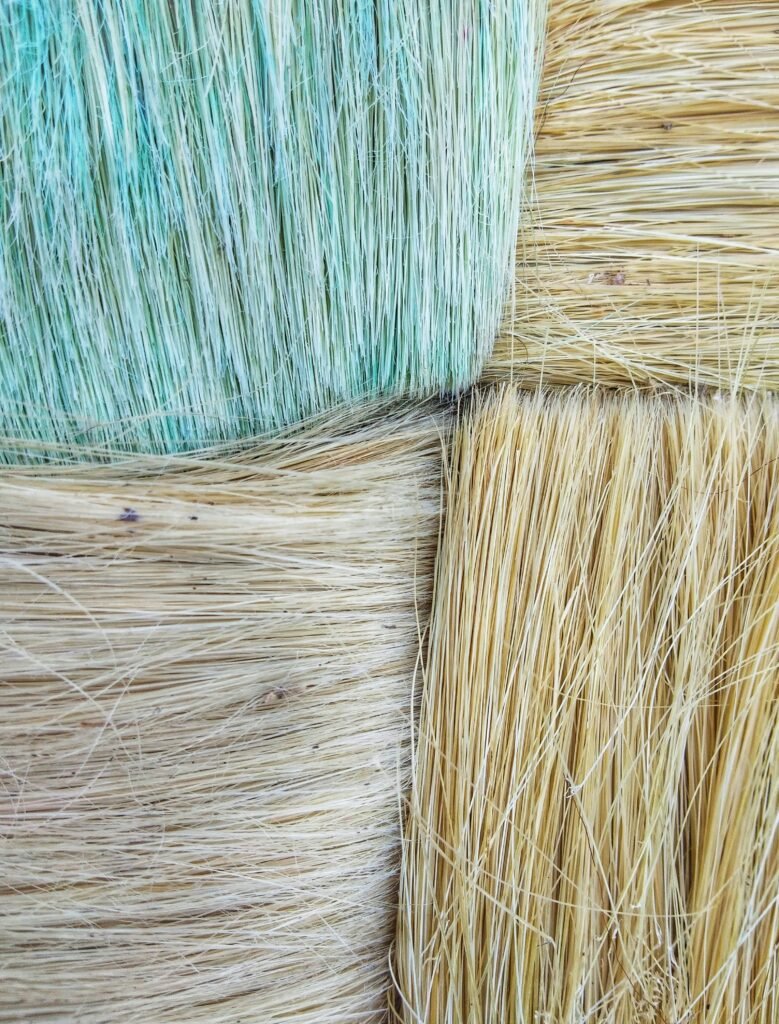
A brand might use the softest fabric on earth, but if they use cheap thread to sew it together, you will suffer.
The Test: Before you buy, turn the garment inside out.
-
Bad: Serged seams (looks like a messy braid). These are bulky and rub.
-
Good: Flatlock seams (looks completely flat). This connects fabrics without adding bulk.
-
Best: Seamless construction (knitted in a tube). Zero friction points.
Real-Life Sensory Check
I once bought a “Hypoallergenic” bamboo shirt online. The fabric was like butter. But the manufacturer had sewn a stiff, plastic size tag into the side seam using nylon thread.
Within 20 minutes, I had a hive exactly where the tag touched my waist.
Lesson: The fabric is only 90% of the story. The thread and tags are the final 10%.
3. The Hidden Irritant: Chemical Finishes
New clothes often smell weird. That is Formaldehyde.
Brands use it to prevent wrinkles and mildew during shipping. For sensitive skin, this is poison.
The Fix:
-
Avoid “Wrinkle-Free”: This label guarantees a high chemical load.
-
Warning: Never wear a new item straight from the store. Wash it with a fragrance-free detergent to strip the shipping chemicals.
-
Look for OEKO-TEX : This certification means the brand has tested for harmful chemicals. It is the gold standard for clothing brands for sensitive skin.
4. Compare: Safe vs. Trigger Fabrics
Use this matrix to identify low irritation fabrics vs high-risk materials.
| Feature | ✅ Safe (Low Irritation) | ❌ Trigger (High Irritation) |
| Material | Tencel, Silk, Pima Cotton | Wool, Acrylic, Rough Linen |
| Breathability | High (Wicks moisture) | Low (Traps heat/sweat) |
| Texture | Smooth / Silky | Scaly / Fuzzy |
| Dyes | Natural / Light colors | Dark / Neon / Metallic |
| Tags | Printed or Tear-away | Sewn-in Plastic |
5. The “Loose Fit” Logic
Friction requires two things: Roughness + Pressure.
If you wear tight leggings, you increase pressure. Even a smooth fabric will irritate you if it is compressed against your skin for 8 hours.
The Wovqo Rule: If you have sensitive skin, opt for “Structured Loose” fits. Clothes should drape over your body, not squeeze it.
(See our article on [[Why Fashion Advice Doesn’t Work]] to learn how to prioritize comfort over trends).
Final Thoughts: Your Skin is the Sensor
Marketing teams will say anything to sell a shirt. “Dermatologist Recommended” on a clothing tag is usually paid advertising.
Your skin is the only truth detector.
If you put it on and feel any resistance, friction, or heat trap within 30 seconds, do not buy it. It will not “break in.” It will only break you out.
Invest in engineering, not adjectives.
Share this guide with a friend who struggles with itchy clothes or eczema-friendly fabrics—they might just need a textile audit!
Frequently Asked Questions
Is 100% cotton always good for sensitive skin?
No. Cheap, short-staple cotton can be rough and pill (form tiny balls) quickly. Those pills act like sandpaper. You need “Combed Cotton” or “Pima Cotton,” which removes the short, scratchy fibers.
Why do black clothes make me itch?
Dye sensitivity. Black and dark blue dyes often contain PPD (Paraphenylenediamine), a common allergen. If you notice dark clothes itch more than light clothes, try switching to unbleached or natural-colored fabrics.
What is the best clothing brand for severe eczema?
Look for medical-grade certifications. Brands like Cottonique or those with the National Eczema Association Seal of Acceptance are specifically engineered without latex, spandex, or harsh chemicals. They prioritize health over style.
