
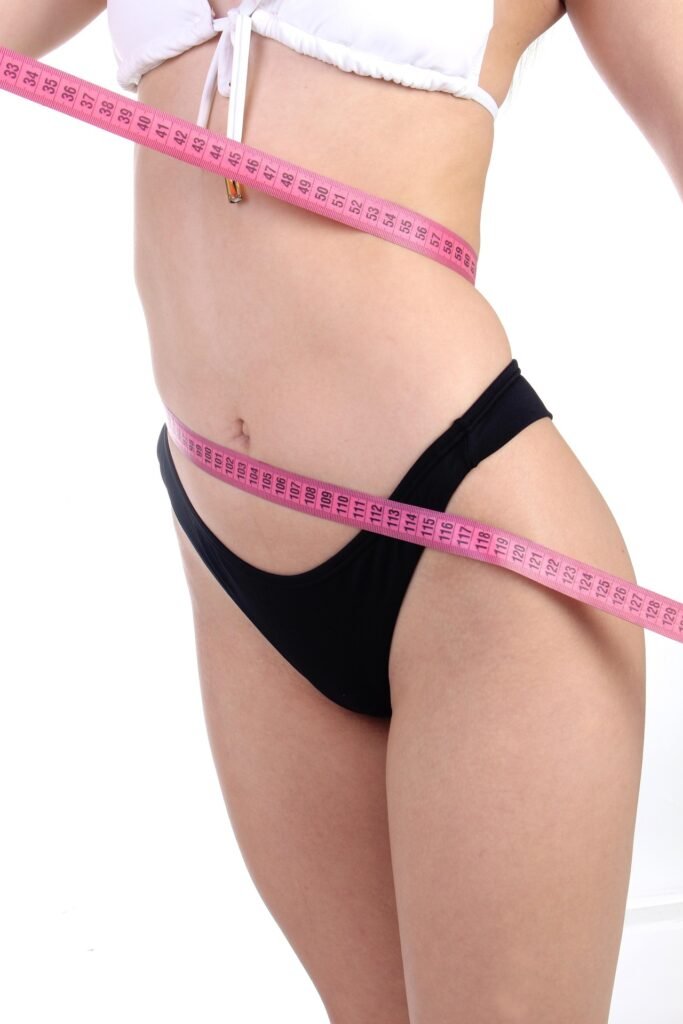
Tired of returning clothes? Sizing charts are confusing. Here is exactly how to measure your body properly (Bust, Waist, Hip, Inseam) and the secret rule of “Ease.”
How to Measure Your Body Properly: The “Zero-Return” Guide
You order a “Medium” because you have always been a Medium. The package arrives. You try it on. It fits like a tent—or worse, a sausage casing. You didn’t gain weight. The system is lying to you.
In the fashion industry, Vanity Sizing means brands change numbers to make you feel better. A 32-inch waist at one store is a 34-inch waist at another. The only thing that doesn’t lie is the tape measure.
At Wovqo, we believe style is physics. If the numbers match, the fit works. Here is the engineering guide on how to measure your body properly so you never have to pay for return shipping again.
TL;DR – The Golden Rules of Measuring
The Tool: Use a flexible fiberglass tape. Do not use a metal construction tape (it is stiff and adds inches).
The Layer: Measure over underwear or light leggings. Not jeans. Not a hoodie.
The Tension: The tape should kiss your skin, not squeeze it. If it indents your flesh, the measurement is wrong.
The Breath: Do not suck it in. Measure while exhaling naturally.
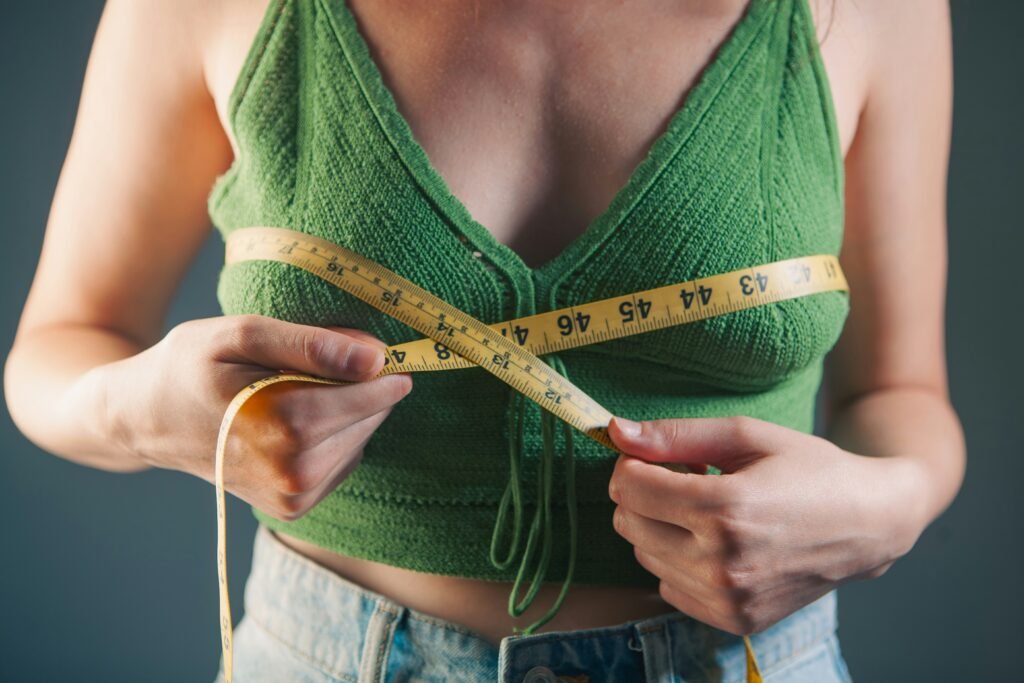
1. The Chest / Bust (The Anchor Point)
This determines how the garment hangs. If this is tight, the buttons will gap.
-
How to measure: Wrap the tape around the fullest part of your chest/bust.
-
The trick: Make sure the tape is level across your back. It tends to slip down near the shoulder blades.
-
Check: Lift your arms slightly, then drop them. The tape should stay in place.
2. The Waist (The Most Confusing Measurement)
Here is where 90% of people fail.
Your “Natural Waist” is NOT where your jeans sit.
-
Find it: Bend to the side like a teapot. The crease that forms on your side? That is your natural waist. It is usually 1-2 inches above your belly button.
-
How to measure: Wrap the tape here. This is the number you use for dresses and high-rise pants.
-
The “Low Waist”: For jeans, measure where you actually wear the waistband (usually 2 inches below the belly button).
Common Body Measurement Mistakes (Avoid These)
If your numbers feel “off,” you are likely committing one of these errors. Google loves accuracy, and so does your tailor:
-
Measuring over jeans: Thick denim adds 1–2 inches to your hip measurement.
-
Pulling the tape too tight: If your skin bulges around the tape, you are buying clothes that will be uncomfortable.
-
Measuring in the morning: Your body expands throughout the day (food/hydration). Measure in the afternoon for a realistic fit.
-
Trusting the Tag: Never assume your size based on a previous brand. (Read why in our article on [[Why Fashion Advice Doesn’t Work]]).
3. The Hips (The Glute Check)
People often measure their hip bones (the high hip). This leads to pants that are too small.
-
How to measure: Stand with feet together. Wrap the tape around the widest part of your glutes (buttocks) and hips.
-
The trick: Move the tape up and down a few inches. The largest number is the correct one.
4. The Inseam (The Length Logic)
This prevents pants from dragging on the floor or looking like high-waters.
-
The Easy Way: Do not try to measure this on yourself (you will bend your knee and ruin the number).
-
The Hack: Take a pair of pants you already own that fit perfectly length-wise. Lay them flat. Measure from the crotch seam down to the hem.
5. The “Ease” Matrix: Body vs. Garment
You measured your chest at 40 inches. You see a shirt with a 40-inch chest. Do not buy it.
You will not be able to breathe.
Use this Engineering Ease table to choose the right size.
| Fit Preference | Extra Room Required (Ease) | Best For… |
| Slim Fit | Body + 1.5 inches | Undershirts / “Fitted” looks |
| Standard Fit | Body + 2-3 inches | Office shirts / Polos |
| Relaxed Fit | Body + 4+ inches | Hoodies / Oversized Tees |
| Rigid Fabric | Add extra 0.5 inches | Denim / Linen (No stretch) |
(Not sure about fabric types? Check our guide on [[How to Identify High-Quality Fabrics]] to see which materials stretch).
6. Real-Life Micro-Story: The “Vacation Breath”
“I bought a linen dress for Italy. I measured my waist while ‘sucking it in’ (subconsciously). The dress arrived. It zipped up, but the moment I ate a single bowl of pasta, the zipper split.
Lesson: Measure yourself after lunch, not before breakfast. You want clothes that fit your life, not your hunger.”
Final Thoughts: Data Over Vanity
Stop looking at the tag size (S, M, L). It is marketing fiction.
Start looking at the Size Guide (CM/Inches). It is engineering fact.
Once you know how to measure your body properly, you stop being a victim of fast fashion’s random sizing.
Trust the tape. Ignore the label.
This guide is built using apparel industry sizing standards, tailoring principles, and return-fit analysis used by online fashion retailers.
💡 Pro Tip: Bookmark this guide or screenshot your measurements before your next online order.
Frequently Asked Questions
Should I measure in inches or centimeters?
Use both. Most US/UK brands use inches, but European and Asian brands use centimeters. Having both numbers written down saves you from doing math while shopping.
Does “Size 0” mean a 24-inch waist?
Not anymore. In the 1950s, a Size 8 was roughly today’s Size 0. Due to Vanity Sizing, brands keep shifting the numbers down to make customers feel smaller. This is why you must ignore the “Size” and look at the “Inches.”
How do I measure my shoulders?
Seam to Seam. Find the bony point at the top of your shoulder. Measure across your back to the other shoulder point. This is crucial for blazers and jackets. If the shoulders don’t fit, the whole jacket is ruined.
