
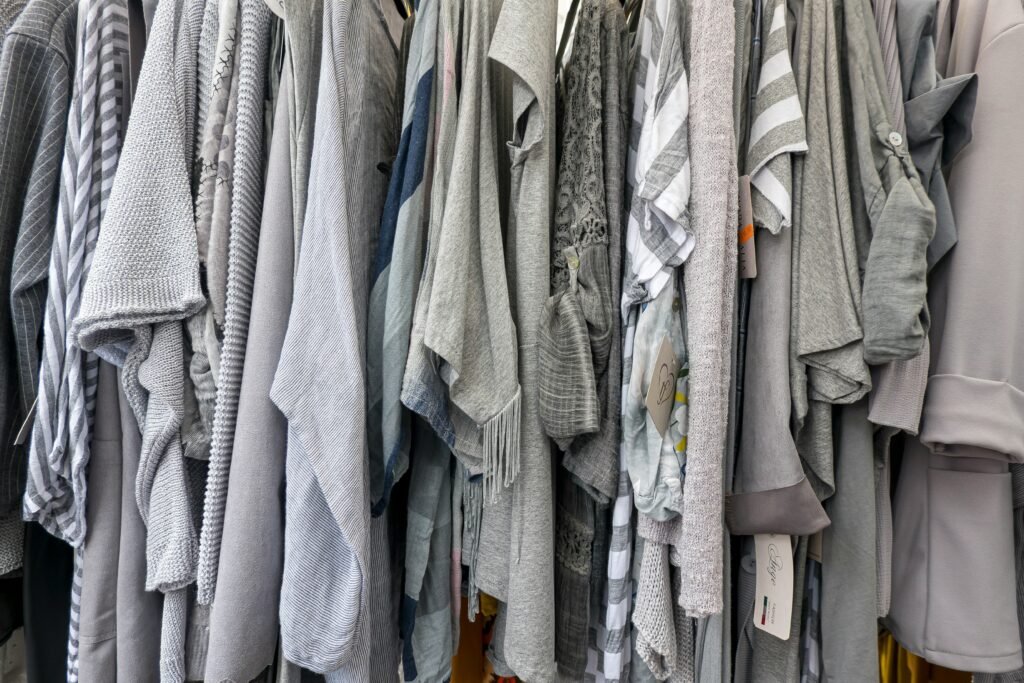
You loved it in the store, but after one wash, it fits your little brother. Here is the science of why clothes shrink and which fabrics you can trust.
Does This Clothing Shrink After Wash? (The “One Size Smaller” Truth)
You bought the perfect t-shirt. It draped perfectly over your shoulders. The length hit exactly at your belt line. Then you washed it. Now, the sleeves are tight, the hem is hovering above your belly button, and you feel betrayed.
You didn’t gain weight. The fabric relaxed.
Most mass-market clothing is stretched to its limit during manufacturing to save money. When you add hot water and heat, that tension snaps back like a rubber band. At Wovqo, we believe you shouldn’t have to guess if your shirt will fit tomorrow. Here is the engineering behind shrinkage and how to stop ruining your wardrobe.
Why Clothes Shrink (The Science) It is called “Relaxation Shrinkage.” During weaving, fibers (cotton, wool) are pulled tight under high tension to maximize yardage. When these fibers get wet and agitated, they release that tension and return to their natural, shorter state.
The Heat Factor: Heat doesn’t just dry clothes; it tightens the fiber structure. The hotter the dryer, the tighter the snap-back.
Quick Summary: The Fabric Risk List
High Risk (Size Up): 100% Cotton, Wool, Linen, and especially Viscose/Rayon.
Low Risk (Safe): Polyester, Nylon, Spandex blends.
The “Trap”: “Pre-Shrunk” labels. They reduce shrinkage, but they don’t eliminate it
1. The “Viscose” Trap (The Silent Killer)
Check the tag. Does it say Viscose or Rayon? Warning: This fabric is unstable.
Viscose is a semi-synthetic fiber made from wood pulp. It feels soft like silk, which is why brands love it. But it hates water. When Viscose gets wet, the fibers swell and shorten dramatically. A Viscose shirt can lose 20% of its length in a single wash cycle.
-
The Wovqo Rule: Never put Viscose in the dryer. Ever. Wash cold, hang dry, or steam it back to shape.
2. The Dryer is a Graveyard
The washer gets the blame, but the dryer does the crime. Tumbling your clothes in 130°F heat is the fastest way to destroy the fit.
The “Tumble” Problem: It’s not just the heat; it’s the impact. As wet clothes slam against the metal drum, the fibers are beaten into a tighter shape. This is called “felting” in wool, but it happens to cotton too.
-
The Fix: If you care about the fit, Air Dry.
-
Gravity is your friend. The weight of the water pulls the fabric down as it dries, maintaining the length.
3. The Myth of “Pre-Shrunk”
You see a sticker that says “Pre-Shrunk Cotton.” You think you are safe. You are not.
“Pre-Shrunk” means the fabric was washed before it was sewn. However, brands often only shrink it part-way to save time. A “Pre-Shrunk” shirt can still shrink another 3-5%.
-
The Math: 5% on a 30-inch shirt is 1.5 inches. That is the difference between a shirt that covers your belt and one that shows your stomach when you raise your arms.
Final Thoughts: Read the Fiber, Not the Brand
A $500 cotton shirt shrinks just like a $5 cotton shirt. Physics does not care about the price tag.
Your Defense Strategy:
-
Read the Tag First: If it is Cotton or Viscose, assume it will shrink.
-
Size Up: If you are between sizes (e.g., Medium/Large), always buy the Large. You can tailor a big shirt; you cannot stretch a small one.
-
Kill the Heat: Wash cold (30°C). Air dry.
Frequently Asked Questions
Can I “un-shrink” a shirt?
Sometimes. Soak the shirt in lukewarm water mixed with Hair Conditioner for 30 minutes. The conditioner relaxes the fibers. Gently stretch it back to its original shape while it is wet, then lay it flat to dry. It works 50% of the time.
Why do my jeans shrink and then stretch back out?
Denim is a heavy twill weave. Washing tightens the weave (making them hard to button in the morning). Wearing them applies tension (body heat + movement), which relaxes the weave again. This cycle is normal for 100% cotton denim.
Does dry cleaning prevent shrinking?
Yes. Dry cleaning uses chemical solvents instead of water. No water means the fibers don’t swell, and no heat means they don’t snap back. If you own an expensive wool or silk item, pay the “Dry Clean Tax.” It is cheaper than buying a new shirt.
Why do my shirts get tiny holes near the belly button?
This is rarely moths; it is a friction problem. The metal button of your jeans or the buckle of your belt rubs against the inside of your t-shirt thousands of times a day. This “micro-abrasion” wears the fabric thin until it snaps.
-
The Fix: Tuck in your shirt, or switch to jeans with a smooth, flat button.
Is “Bamboo” fabric better than Cotton?
“Bamboo” is often a marketing trick. It is usually just Viscose (Rayon) made from bamboo pulp. While it is incredibly soft and antibacterial, it suffers from the same weakness as all Viscose: it is weak when wet and shrinks easily. Treat “Bamboo” shirts with extreme care, just like you would a delicate silk blouse.
Why do black clothes turn grey so fast?
Black dye is unstable. Hot water and harsh detergents strip the dye molecules out of the fiber.
-
The Fix: Wash black clothes inside out (to stop surface abrasion), use cold water, and add a cup of Distilled White Vinegar to the rinse cycle. The acid in the vinegar helps lock the dye into the fabric.
Have Any Question? Feel Free To Ask: