

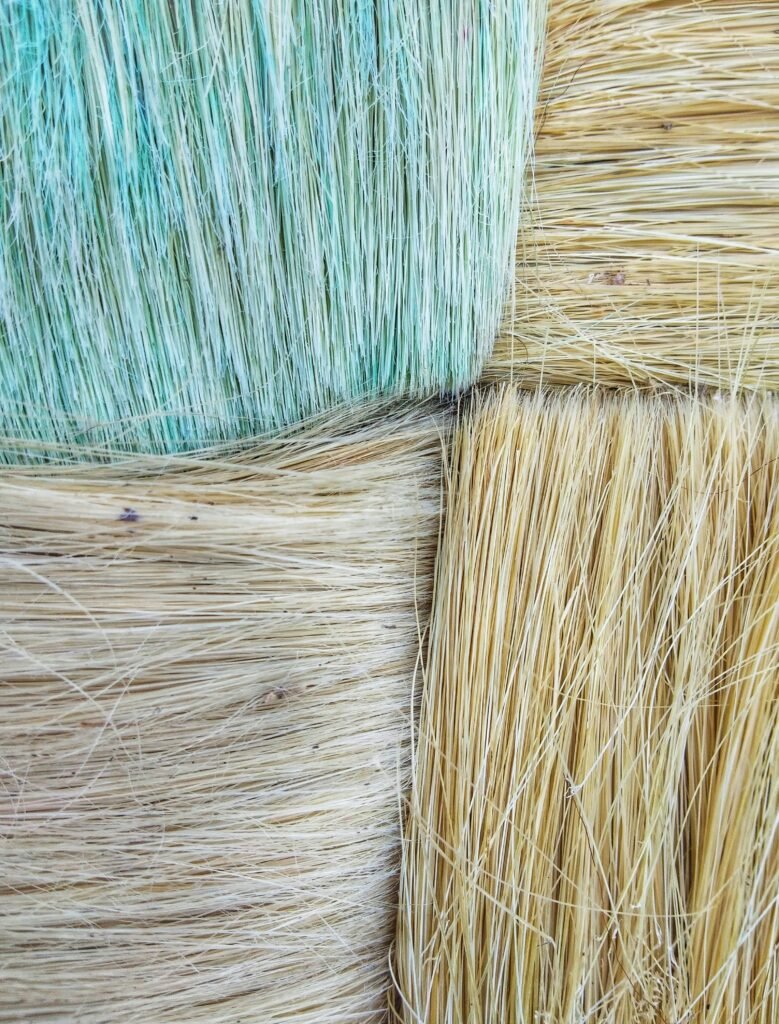
1. The Physics of Fiber: The “Prickle Factor”
Why does your grandmother’s wool sweater itch, but a Merino wool shirt feels fine?
It comes down to diameter.
Fiber thickness is measured in microns.
-
Fine Merino: ~17-21 microns (Bends when it touches skin = Soft).
-
Cheap Wool: ~30+ microns (Stays rigid when it touches skin = Poke).
If the fiber is too thick to bend, it acts like a tiny spear. Thousands of these spears touching you at once creates that unbearable “itchy” sensation.
2. The Hidden Chemistry: Formaldehyde & Dyes
You love that “new clothes smell”? That is a warning sign.
To make clothes look crisp in the store, manufacturers treat them with Formaldehyde resins (to prevent wrinkles) and heavy metal dyes (to fix colors).
Studies on textile contact dermatitis show that disperse dyes and formaldehyde resins are among the most common fabric-related irritants in daily wear clothing.
-
The Reaction: When these chemicals touch your warm, damp skin, they off-gas. For many, this causes Textile Contact Dermatitis—red, itchy rash where the clothes fit tightest.
-
The Fix: Always wash new clothes before wearing them. Always.
3. The Greenhouse Effect (Polyester & Sweat)
Human sweat is slightly acidic.
Natural fibers (Cotton, Linen, Wool) absorb sweat and pull it away from the skin.
Cheap synthetics (Polyester, Acrylic) are hydrophobic. They repel water.
-
The Itch: The sweat sits trapped between the plastic fabric and your skin. Bacteria feed on the sweat, producing waste products that irritate your pores. This is often mistaken for a fabric allergy, but it’s actually heat rash.
4. The Construction Flaw: Thread & Seams
Sometimes, the fabric is innocent, and the thread is guilty.
A brand might use soft cotton for the shirt but sew it together with cheap, monofilament nylon thread (which feels like fishing line).
-
The Test: Turn the garment inside out and run your finger along the side seam. If it feels rough to your finger, it will feel like a saw blade to your waist.
The “Itch-Free” Fabric Matrix
Stop guessing. Use this chart to filter your closet.
| Fabric | Prickle Risk | Chemical Risk | Breathability |
| Standard Wool |  High (Scales) High (Scales) |
 Medium Medium |
 High High |
| Merino Wool | Low (Fine) |
Medium |
High |
| Polyester | Low (Smooth) |
High (Dyes) |
Low (Sweat trap) |
| Organic Cotton | Zero |
Low |
High |
| Bamboo/Tencel | Zero (Round) |
Medium (Processing) |
High |
Real-Life Micro-Story: The “Blue Jeans” Rash
“I bought a pair of dark wash, raw denim jeans. I wore them for two days straight without washing them.
On day three, my legs were covered in a blue-tinted rash.
It wasn’t the denim texture; it was the Disperse Blue Dye. I was literally having a chemical reaction to the excess dye bleeding onto my skin. Two washes later, the itch was gone.
Lesson: If the dye rubs off on your hands, it is rubbing into your pores.”
Final Thoughts: Respect Your Skin Barrier
Your skin is an organ. It tells you when it is unhappy.
If you put something on and feel an immediate “prickle,” take it off. It will not get better. The fibers will not soften enough to stop poking you.
Life is too short to wear clothes that attack you.
(If you are struggling to find clothes that feel safe, read our guide on [[Is This Clothing Brand Good for Sensitive Skin?]]).
Frequently Asked Questions
Is wool allergy real or is wool just itchy?
Usually, it’s just itchy. True lanolin allergy is rare. Most people who think they are allergic to wool actually just have sensitive skin reacting to the coarse fiber diameter (The Prickle Factor). Try wearing high-quality, superfine Merino wool; you might be surprised.
How do I stop clothes from itching immediately?
Wash and Soften. Wash new clothes with a gentle detergent to remove chemical residues. Using a fabric conditioner can help coat fibers and reduce static, but if the fiber itself is coarse (high micron count), washing won’t fix the prickle.
Why do my legs itch when I wear tight pants?
Friction + Dryness. Tight pants (like skinny jeans or leggings) rub against the hair follicles on your legs. In winter, when your skin is dry, this friction causes “Winter Itch.” Use a heavy moisturizer before getting dressed to create a barrier.